
Title: Just relax stop overthinking, calm your anxiety - lofi hip hop mix - aesthetic lofi
Channel: Aesthetic Lofi
Just relax stop overthinking, calm your anxiety - lofi hip hop mix - aesthetic lofi by Aesthetic Lofi
depression art wallpaper, depression art ideas, depression art with deep meanings, does art help with depression, does art therapy help depression
Escape the Blues: Stunning Depression Art Wallpapers
Banish the Gloom: Uplifting Depression Art for Your Walls
It’s a tough world out there, isn't it? Sometimes, life throws curveballs that knock us flat. The weight of the world can feel crushing. Therefore, we need spaces that nurture the soul. Your walls can actually become a source of strength. They can reflect your inner resilience. This is precisely where carefully chosen art comes into play. It can transform your living space.
Finding Solace in Art's Embrace
Depression, in its various forms, casts a long shadow. It can dim the vibrancy of everyday life. Still, we can fight back. Art offers a unique form of comfort. It becomes a visual language. Art speaks where words often fail. Moreover, it’s a powerful tool for healing and self-expression. So, how does art help? It validates your feelings. It also offers a sense of connection.
Choosing Art That Speaks to You
Now, where do you begin? Finding the right art is a personal journey, indeed. Think about what truly resonates with you. Do vibrant colors lift your spirits? Perhaps serene landscapes soothe your soul. Consider abstract art, too. It can offer open interpretation. Ultimately, the best art choice is the one that sparks emotions.
Unveiling Stunning Depression Art Wallpapers
Let's now consider some specific options. Specifically, consider digital art. It’s available at your fingertips. Explore platforms like Etsy. Search for "depression art wallpapers." You’ll discover a wealth of possibilities. Photographers often have compelling works. Don't hesitate to look at the art prints of artists with mental health experience. Therefore, art is an outlet. The images often depict powerful themes. These themes can be anything from overcoming adversity to finding inner peace. In fact, many artists use their pieces for expression.
Colors that Comfort and Inspire
Color plays a crucial role in art's emotional impact. Warm hues like reds and oranges can evoke feelings of energy. Blue and green often bring tranquility. Consider the psychology of color while choosing art. Think about what colors you are drawn to. What colors make you feel calm, energized, or hopeful? Accordingly, use your art to curate the mood.
Beyond the Aesthetic: Art as a Catalyst
Art’s benefits extend beyond aesthetics. It's more than just pretty pictures. It can promote mental well-being. It encourages self-reflection, for instance. Displaying art creates a daily reminder of your strength. The visual cues can be powerful. Moreover, changing your art can shift your perspective. In other words, consider rotating your art. This way, you can maintain a fresh outlook.
Integrating Art Into Your Space
How do you incorporate these art pieces? First, consider your room’s existing décor. Next, think about the size of your walls. The size must be proportional for balance. Framing can add a professional touch. Moreover, explore different display options. Try creating a gallery wall. This way, you can mix and match different pieces. Alternatively, you can simply choose a single, impactful piece. Therefore, arrange your art where you can easily see it.
The Power of Self-Expression Through Art
Art is more than just decoration. It reflects your personal journey. By consciously choosing art, you are practicing self-care. You're creating a space that nurtures your soul. This act is a form of self-expression. Further, it creates a safe haven from the stresses of daily life.
Maintaining Hope: Art as a Constant Companion
Art becomes a constant companion during tough times. It reminds you that healing is possible. It demonstrates inner strength. So, when you’re feeling low, look at your art. Let it be a source of strength. Let it also be a symbol of your resilience. To summarize, your walls can tell a story. Make sure it is a story of beauty. Choose art that will inspire you.
Finding Your Perfect Art Piece
Finding the perfect piece is important. Take your time. Browse various online galleries. Visit local art shows. Trust your instincts. Don't be afraid to experiment. What moves you? What sparks joy? Select pieces that nourish your spirit, in short.
Final Thoughts: Building Your Sanctuary
In conclusion, art significantly impacts your mental well-being. Choose art that will provide you healing. Create a space that fosters peace and hope. So, embrace art's transformative power. Then, let your walls become your sanctuary. Build a haven that reflects your inner strength.
Postpartum Depression? This Quiz Will SHOCK You!Escape the Blues: Stunning Depression Art Wallpapers
Hey there, fellow humans! Ever felt like your world’s turned grayscale? Like the vibrant colors have been sucked out, leaving you in a hazy, melancholic fog? If you've been there, or are there right now, know this: you’re not alone. And sometimes, even a small change, like what graces your computer screen, can have a bigger impact than you think. That's where the power of art, specifically depression art wallpapers, comes in. We’re diving into how these visual masterpieces can light a spark, offering a glimmer of hope when the shadows feel long.
1. The Unexpected Power of Your Desktop:
Let’s be real, we spend a lot of time staring at our screens. From work to social media to binge-watching our favorite shows, our digital lives are deeply intertwined with our well-being. So, doesn't it make sense to curate that space with intention? Your desktop wallpaper, the backdrop to your digital world, can be a surprisingly powerful tool. Think of it as a personal touchpoint, a visual reminder, a tiny act of self-care. It sets the tone for your digital experience.
2. Why Depression Art Works:
Depression art doesn't shy away from the darkness. It dives right in, exploring those feelings of isolation, sadness, and emptiness. And in doing so, it often finds a way to connect with us on a deeply personal level. It's like having a silent co-pilot on your journey – one who understands. The best pieces offer a window into the artist's soul and, by extension, your own. They validate your experience. They tell you, “You’re not crazy. You’re not alone.” It is like a visual hug when words fail.
3. Finding Art That Resonates: More Than Just Pretty Pictures:
Now, this isn't about slapping any old image on your desktop. We want something that truly speaks to you. It should evoke a feeling, a memory, a sense of recognition. Consider these types of art when searching for depression art wallpapers:
- Abstract Art: Often using color and form to express emotion, abstract pieces can be intensely evocative, allowing your interpretation to flow freely.
- Surrealism: Think of the unexpected! Surrealist art often confronts the subconscious, offering a glimpse of the strange and wonderful (and sometimes unsettling) inner world.
- Photography: Powerful imagery, often featuring landscapes, portraits, or even everyday objects, can capture the essence of a mood. Do you find yourself drawn to muted tones or bold colors? Explore those that resonate with you.
- Digital Art: A vast world of possibilities, digital art provides countless styles and expressions. A perfect place to find art that makes you happy!
4. The Colors of Healing: Exploring Color Theory:
Color can be a powerful language, capable of communicating complex emotions instantly. Think about specific colors that trigger emotions, and consider what colors you are drawn to.
- Blues and Greens: Often associated with calm, serenity, and healing. Think of the ocean, a lush forest. These can be incredibly soothing.
- Grays and Whites: Can represent a sense of peace and solitude or reflect feelings of isolation if the other is not in place.
- Reds and Oranges: Can symbolize passion, energy, and strength. If you're feeling low, a burst of these colors might be just the pick-me-up you need.
- Purples: Suggesting introspection, creativity, and spirituality. A great choice if you're looking for something that encourages self-reflection.
5. Where to Find These Visual Treasures:
The internet is your oyster! (And yes, the internet is often a complicated oyster, but we're here to extract the pearl!). Here are some great places to start your search:
- DeviantArt: A huge online community where artists share their work. You'll find a fantastic range of styles and subjects here.
- Pinterest: A visual treasure trove! Search for terms like "depression art wallpapers," "sad art," or "emotional wallpapers."
- Art Galleries and Museums Websites: Many have online collections. Explore artists and styles that speak to you.
- Stock Photo Sites: Some stock photo sites include emotional photography and art, which are often available for free or low-cost download.
6. Creating Your Digital Sanctuary:
Once you’ve found a wallpaper that resonates, make it your own! Consider its placement:
- Desktop: The obvious choice! It’s there every time you open your computer.
- Phones: A constant companion. A poignant wallpaper on your phone reminds you to be kind to yourself.
- Tablet: Same as your phone.
7. The Importance of Regular Rotation:
Don't get stuck! Change up your wallpaper from time to time. Think of your digital space as a dynamic canvas. The idea is not to get accustomed to a specific feeling but to feel that you are okay with your emotions.
8. Does it Really Work? The Science Behind the Aesthetic:
While the direct scientific evidence linking wallpapers to mental health is limited, the impact of visual environments on our well-being is well-documented. Studies show that art can activate reward centers in the brain, reduce stress, and promote a sense of calm. A beautiful piece of art can trigger an emotional response.
9. Beyond the Wallpaper: Art as a Gateway to Support:
Your wallpaper is a starting point. If you're struggling with depression, please reach out for support.
- Talk to a Therapist or Counselor: They can provide guidance and tools.
- Join a Support Group: Connecting with others who understand can be invaluable.
- Seek Professional Help: Do not hesitate to consult a doctor if that is what you need.
10. Examples of Powerful Depression Art Wallpapers:
(Due to the nature of this being a text-based format, it is impossible to display any examples. However, I can describe the types of visuals that might be found).
- A stark, minimalist landscape in muted blues and grays.
- A portrait of a person's face, expressing sorrow.
- An abstract piece featuring swirling colors that suggest turbulent emotions.
- An image of a closed door.
11. Personalizing Your Digital Space - A Self-Care Ritual:
Selecting your wallpaper can be a self-care meditation. Think of it as a small, regular ritual, a gesture of kindness towards yourself.
12. The Role of Art in Emotional Expression:
Depression art is an incredible way to express emotions that are sometimes hard to articulate. It serves as a language that can be understood widely.
13. Embracing the Darkness: Finding Beauty in Sadness:
Sadness, as a feeling, can offer depth. It allows us to feel connected to each other. Depression art offers a way to find beauty in the depths of these emotions.
14. The Power of Intention: Setting the Mood:
The intention with which you pick a wallpaper is so important! Are you searching for calm? Searching for strength? Or maybe just a place to feel validated? The goal allows you to gain clarity and peace.
15. Maintaining Your Mental Wellbeing: Beyond Wallpaper:
Remember, a stunning wallpaper can work as a support, but is not a replacement for the necessary help.
Closing Thoughts:
So, there you have it! A deeper dive into the world of depression art wallpapers. Remember; it's about finding visual companions that resonate with you, validating your experience, and offering a gentle reminder that you're not alone. It’s about creating a space that nurtures and comforts, a pixelated haven in the face of life's storms. Embrace the journey. It's okay to feel. It’s okay to seek beauty in the darkness. And it's more than okay to find a little bit of support in the unexpected places, like your desktop wallpaper. Until next time, take care of yourself, and keep searching for those visual treasures!
Frequently Asked Questions:
1. Can a depression art wallpaper cure depression?
No, a wallpaper on its own cannot cure depression. However, it can be a helpful supplement to other treatments or coping mechanisms, offering comfort, validation, and a sense of connection.
2. How do I know if a piece of art is right for me?
Trust your gut! Does it evoke a feeling? Do you find it calming? Is it something you want to look at every day? If the answer is yes, you’ve found a good fit.
3. Where can I find free depression art wallpapers?
You can find a vast variety of options on sites like DeviantArt, Pinterest, and even some stock photo sites. Always be mindful of copyright when using images.
4. Should I tell someone if I'm struggling with depression?
Absolutely! Talking to a therapist, counselor, trusted friend, or family member can make a huge difference. Seeking professional help is a sign of strength.
5. Is it okay to feel sad?
Yes, it's entirely okay. Sadness is a valid human emotion. Depression is different, and seeking support is vital.
- Principal Keywords: Depression Art Wallpapers, Escape Blues.
- SEO Headline: Escape the Blues: Stunning
Unlocking the Mystery of Depression Wallpapers

By AM APPS Unlocking the Mystery of Depression Wallpapers by AM APPS
Rain On Window with Thunder Sounds - Rain in Forest at Night - 10 Hours
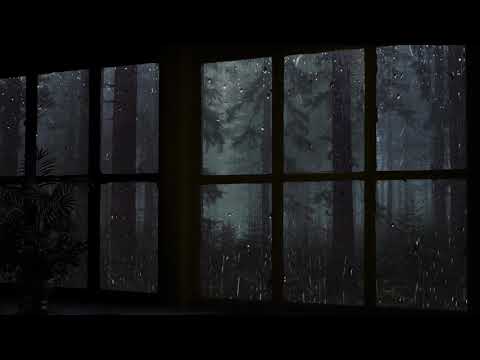
By The Relaxing Town Rain On Window with Thunder Sounds - Rain in Forest at Night - 10 Hours by The Relaxing Town
Making myself a new wallpaper to cure depression Krita Speedpaint 9

By LilacLeonor Making myself a new wallpaper to cure depression Krita Speedpaint 9 by LilacLeonor

Title: Drawing Mental Illness mentalhealth anxiety depression
Channel: Mental Health Awareness TV
Drawing Mental Illness mentalhealth anxiety depression by Mental Health Awareness TV
Is Your Hospital Anxiety & Depression UNBEARABLE? Take THIS Test Now!
Here we go!
Title: Mastering the Art of Sourdough Baking: A Comprehensive Guide for Beginners and Enthusiasts
Embark on a captivating journey into the ancient and rewarding craft of sourdough baking. Forget the bland uniformity of commercially produced bread; we're delving into a world of tangy, complex flavors and textures created through the magic of wild yeasts and patient artistry. This guide provides a roadmap for anyone, from the novice home baker to the seasoned bread enthusiast, to cultivate their own thriving sourdough starter and produce loaves of unparalleled quality. Prepare to transform your kitchen into a fragrant haven of warmth and the promise of deliciousness.
Understanding the Essence: What Makes Sourdough Unique?
The allure of sourdough lies not just in its delightful taste but also in its fascinating history and the natural processes that govern its creation. Unlike bread leavened with commercial yeast, sourdough relies on a symbiotic ecosystem of wild yeasts and beneficial bacteria, primarily Lactobacilli, found naturally in flour and the air. These microorganisms work in harmony, producing the characteristic sour flavor, complex aromas, and improved digestibility that set sourdough apart. The extended fermentation period inherent in sourdough baking allows for the breakdown of gluten, making it appealing to some individuals with sensitivities and enhancing the bioavailability of nutrients. This slow, deliberate process is key to the bread's signature character.
Cultivating Your Sourdough Starter: The Foundation of Success
The heart and soul of sourdough baking is the starter, a living culture of wild yeasts and bacteria. Creating your own starter is a rewarding experience, a testament to the patient interaction with nature.
Phase 1: The Flour and Water Ritual. Begin by combining equal parts of unbleached, all-purpose flour and filtered, non-chlorinated water in a clean glass jar. A common starting point is 50 grams of each. Ensure your jar is large enough to accommodate doubling in volume as your starter matures. Thoroughly mix to eliminate any lumps, creating a slurry resembling pancake batter. Cover the jar loosely with a lid or plastic wrap, allowing air circulation to encourage wild yeast colonization.
Phase 2: Daily Nourishment. For the next 5-7 days, discard half of your starter and replace it with equal parts of flour and water, following the same proportions as the initial mixture. This feeding process removes waste products and provides fresh nutrients for the yeast and bacteria to thrive. Observe your starter's behavior. It will likely show little activity initially, but gradually, you should notice bubbles forming on the surface. These bubbles signify that your yeast is beginning to consume the flour’s sugars and breathe out the carbon dioxide that leavens the bread.
Phase 3: Recognizing Maturity. The timeline for starter development varies depending on environmental conditions. A mature starter typically doubles in size within 4-8 hours after feeding, exhibits a pleasant, slightly tangy aroma, and has a bubbly, airy consistency. You'll notice a distinct, tangy smell, a sign of the lactic acid produced by the bacteria. This indicates that your starter is ready to be used in your baking. Consider a rye or whole wheat variation to start, as these may establish faster.
Choosing the Right Flour: The Building Blocks of Flavor
The type of flour you use significantly impacts the flavor, texture, and overall character of your sourdough.
All-Purpose Flour: A versatile choice for beginners, offering a balanced gluten content. It produces loaves with a pleasant crumb and moderate rise.
Bread Flour: This flour has a higher protein content, leading to increased gluten development. It results in a chewier texture and a more pronounced rise, perfect for achieving tall, open crumb structures.
Whole Wheat Flour: Adds a nutty flavor and robust texture. Whole wheat flour contains the bran and germ, which absorb more water, requiring adjustments to your recipe. Using some percentage of whole wheat can impact the flavor positively.
Rye Flour: Rye flour contributes a complex, earthy flavor and a moist crumb. It contains less gluten than wheat flour and can impact the dough's elasticity.
Experimenting with Blends: The best sourdough breads often incorporate a blend of flours. Combining all-purpose or bread flour with a percentage of whole wheat or rye creates a more complex flavor profile and enhances the nutritional value.
The Essential Ingredients and Equipment
Sourdough baking, while simple in concept, benefits from having the right tools and ingredients.
- Flour: As discussed, select your preferred type(s).
- Water: Filtered, non-chlorinated water is crucial. Chlorine can inhibit yeast activity.
- Salt: Sea salt or kosher salt is ideal. It controls the activity of the yeast and enhances the flavor.
- A Kitchen Scale: Essential for accurate measurements, especially for flour and water, which are critical to the recipe's results.
- Mixing Bowls Large bowls are great to have.
- A Dutch Oven or Baking Stone: The Dutch oven provides a controlled environment for baking, trapping steam to create a crispy crust. A baking stone or steel achieves similar results.
- A Scoring Lame or Sharp Knife: Used to score (cut) the dough’s surface before baking, which controls expansion and creates beautiful designs.
- A Banneton Basket (optional): A proofing basket, usually made of rattan or wicker, to shape the dough and create attractive patterns.
- Bench Scraper: For gently handling and shaping the dough.
The Sourdough Baking Process: Step-by-Step Guide
Once your starter is ready, begin your sourdough journey.
Step 1: Mixing and Autolyse. Combine flour and water in a large bowl, mixing until just combined. Let the mixture rest, covered, for 30-60 minutes. This process, called autolyse, allows the flour to fully hydrate, improving gluten development and creating a more flavorful dough.
Step 2: Adding Starter and Salt. Add the active starter and salt to the autolysed dough. Mix thoroughly, using your hands or a wooden spoon, until the ingredients are evenly distributed.
Step 3: Bulk Fermentation with Stretching and Folding. Cover the dough and let it ferment at room temperature (ideally around 70-75°F/21-24°C) for several hours. During this time, perform a series of "stretch and folds." Every 30-60 minutes for the first 2-3 hours, gently stretch a portion of the dough and fold it over onto itself. These folds strengthen the gluten and distribute the yeast and bacteria evenly. The total bulk fermentation time depends on room temperature and starter activity, but it typically ranges from 4-6 hours or more. The dough should increase in volume and show visible bubbles.
Step 4: Shaping the Loaf. Gently shape the dough into your desired form (round or oblong). If using a banneton basket, lightly flour the basket and place the shaped dough inside, seam-side up.
Step 5: Cold Proofing (Refrigeration). Cover the shaped dough and refrigerate it for 12-24 hours. This slow fermentation develops flavor and improves the texture through cold proofing.
Step 6: Baking. Preheat your Dutch oven (with the lid on) to 450-500°F (232-260°C). Carefully remove the hot Dutch oven from the oven. Invert the proofed dough into the hot Dutch oven. Score the top of the loaf with a lame or sharp knife. Place the lid on the Dutch oven. Bake for 20 minutes with the lid on. Remove the lid and bake for an additional 25-35 minutes, or until the crust is deeply golden brown and the internal temperature reaches 200-210°F (93-99°C).
Step 7: Cooling. Transfer the baked loaf to a wire rack and allow it to cool completely before slicing. This allows the crumb to set and prevents a gummy texture. Resist the temptation to slice it earlier!
Troubleshooting Common Sourdough Challenges
Even experienced bakers occasionally encounter issues. Here are some solutions.
- Flat Loaves: Under-proofing or a weak starter are common culprits. Ensure your starter is active and that the dough has sufficient bulk fermentation time.
- Dense Crumb: Often due to under-proofing or over-mixing. Pay attention to the dough's rise and handle it gently.
- Sour Taste Too Strong: Sometimes, especially with a starter that has been neglected, the bacteria will dominate the yeast. Feed the starter more frequently to balance it out.
- Crust Too Dark: Reduce the baking temperature or shorten the baking time.
Beyond the Basics: Variations and Enhancements
Sourdough offers endless opportunities for creativity.
- Flavored Sourdoughs: Incorporate ingredients such as herbs, spices, olives, cheeses, or nuts into the dough during the shaping stage.
- Different Grains: Experiment with rye, spelt, or other ancient grains to create unique flavor profiles.
- Sweet Sourdoughs: Add honey, maple syrup, or other sweeteners to create delicious breakfast breads or desserts.
- Levain variations. Adjust the recipe to include a levain. A levain is similar to sourdough, but it uses a bit more of a starter for more rise.
Sourcing Ingredients and Equipment
The quality of your ingredients and equipment affects the outcome.
- Find Local Mills:
