
Title: Zinc, anxiety and depression Is this simple mineral deficiency keeping you unwell
Channel: Dr Janelle Sinclair
Zinc, anxiety and depression Is this simple mineral deficiency keeping you unwell by Dr Janelle Sinclair
zinc for depression and anxiety, zinc for depression and anxiety reddit, is zinc good for depression and anxiety, does zinc help with anxiety and depression, zinc benefits for mental health
Zinc: The SHOCKING Depression & Anxiety Secret Doctors Don't Want You to Know!
Unlocking Mental Resilience: The Unexpected Power of Zinc
Have you ever felt like your mind is a tangled mess? Perhaps you've grappled with the persistent shadows of anxiety or the heavy cloak of depression. Well, believe it or not, there's an unsung hero quietly working behind the scenes. It could be the key to unlocking a brighter mental landscape. I'm talking about the remarkable mineral: zinc.
The Silent Storm Within: Recognizing the Mental Health Battleground
Life throws curveballs, doesn't it? Stress, trauma, and the relentless pressures of modern living can take a toll. They can chip away at our mental well-being. These challenges often manifest as anxiety, depression, or a general feeling of unease. Therefore, many people are seeking solutions. They try medications and therapy. These can be helpful, yet they’re only part of the story. Because, there's often a missing element in the equation.
Zinc's Hidden Arsenal: How This Mineral Fights Back
Zinc isn’t just some random nutrient. It's a vital player in numerous bodily functions. It's a key ingredient to our health. But what’s its connection to mental health? Well, it's more profound than you might realize. Firstly, zinc acts as a powerful antioxidant. This fights free radicals, which can damage brain cells. Further, zinc is involved in the production and regulation of neurotransmitters. These messengers are essential for mood regulation. Think of them as the brain's communication system.
Connecting the Dots: Zinc and the Mood Boost
Several studies suggest a link between zinc deficiency and mental health issues. Individuals with depression or anxiety are sometimes found to have low zinc levels. For instance, zinc is crucial for the synthesis of serotonin and dopamine. These are "feel-good" neurotransmitters. Consequently, zinc deficiency might disrupt their production. This can lead to mood imbalances. Consider zinc a cornerstone to mental wellness.
Boosting Your Zinc Intake: Practical Steps You Can Take
So, how do you get more zinc in your system? Obviously, you can't just pop a pill and expect an instant fix. But, dietary adjustments can make a big difference. Firstly, focus on zinc-rich foods. These include oysters, red meat, poultry, beans, and nuts. Secondly, if you're concerned about a deficiency, consider talking to your doctor. They can assess your levels through a simple blood test. They might recommend a zinc supplement. Always follow medical advice for supplements.
Beyond the Basics: Exploring the Broader Benefits
Zinc isn't just for mental health. It plays a crucial role in immunity. Furthermore, it’s involved in wound healing and cell growth. In addition, it contributes to healthy skin, hair, and nails. It supports the immune system in fighting off infections. Also, zinc is vital for taste and smell. So, it's an all-around champion.
Debunking the Myths: Addressing Common Concerns
You might wonder about potential side effects. Rarely, excessive zinc intake can lead to some unpleasantness. This might include nausea or digestive upset. Therefore, it's important to keep your intake within recommended guidelines. Always consult your doctor. They can help you determine the right dosage.
Zinc and Your Wellbeing: A Holistic Approach
Zinc is just one piece of the puzzle. Mental wellness is multifaceted. Embrace a holistic approach. Consider mindfulness and regular exercise. Ensure you get enough sleep. Moreover, nurture your social connections and practice self-care. Combine these strategies with a focus on zinc-rich foods. This will empower your mental health journey.
The Final Thoughts: Embracing a Brighter Tomorrow
The link between zinc and mental health is definitely intriguing. It's a prime example of how a single nutrient can have a profound impact. Incorporating zinc into your life could be the first step. You can then move toward a more balanced and resilient mindset. So, don’t underestimate the power of this tiny mineral. It just might be your secret weapon.
Vegan Chocolate Depression Cake: The Ultimate Guilt-Free Indulgence!Zinc: The SHOCKING Depression & Anxiety Secret Doctors Don't Want You to Know!
Hey there, fellow wellness warriors! Ever feel like you're slogging through molasses, battling a persistent dark cloud hovering over your head, or just find yourself perpetually on edge? We've all been there. The modern world, with its relentless pace and constant barrage of information, can be a real pressure cooker for our mental well-being. What if I told you there's a hidden ally, a nutrient often overlooked, that could play a massive role in turning the tide? Yep, we’re talking about zinc, and the potential it holds for battling depression and anxiety is, frankly, shocking. Ready to dive in? Let's do this!
1. Unveiling the Mystery: The Zinc-Depression Connection
It's a bit like a complex puzzle, isn't it? Mental health is rarely a simple equation of "this causes that." Instead, it's a dance of intricate factors, from genetics and lifestyle to environmental stressors and, of course, the biochemical orchestra happening inside our bodies. And at the heart of this orchestra? Zinc, that humble little mineral. We know that zinc plays a vital role in over 300 enzymes, which means it's involved in everything from immune function (hello, keeping those nasty colds at bay!) to wound healing. But here’s the jaw-dropper: it's also crucial for brain health. Zinc is intimately involved in the production and regulation of neurotransmitters, the chemical messengers that dictate our moods, thoughts, and feelings.
Think of it like this: imagine your brain is a finely tuned engine. Zinc is the essential oil that keeps everything running smoothly. Without enough of it, the engine sputters, coughs, and eventually, might even stall. That "stalling" can manifest as depression, anxiety, and a whole host of other mental health challenges.
2. The Silent Pandemic: Why Are We Zinc Deficient?
Before we go any further, let's address the elephant in the room: if zinc is so important, why are so many of us deficient? Well, the answer isn't always straightforward, but several factors contribute to this "silent pandemic."
- Modern Diets: Sadly, our modern diets often pack less punch than our ancestors’. Processed foods, refined grains, and sugary treats are low in zinc.
- Soil Depletion: The quality of our food starts with the soil it grows in. Over-farming depletes the soil of essential nutrients, including zinc.
- Poor Absorption: Certain medications and health conditions can hinder our ability to absorb zinc from food.
- Lifestyle Factors: High stress, alcohol consumption, and even intense exercise can deplete zinc levels.
- Age: Zinc absorption tends to falter as we get older.
It's kind of like we’re constantly battling to keep our zinc levels up in a world that's actively working against us!
3. The "Feel-Good" Secret: How Zinc Impacts the Brain
Here’s where things get really interesting. Zinc isn't just some bystander; it's an active participant in brain health. It influences the activity of neurotransmitters like serotonin and dopamine – the "feel-good" chemicals that regulate mood, motivation, and pleasure. Low zinc levels have been linked to decreased serotonin and dopamine activity, potentially contributing to symptoms of depression and anxiety.
Think of it like this: serotonin is the anchor that keeps you grounded, and dopamine is the fuel that keeps you moving. Zinc helps ensure there's enough of both to keep you feeling good, clear-headed, and motivated.
4. Zinc and Anxiety: More Than Just a Nervous Feeling
Anxiety is more than just a passing nervous feeling; it's a complex state of mind characterized by excessive worry, fear, and often, physical symptoms like a racing heart and shortness of breath. And guess what? Zinc plays a role here, too. Research suggests zinc may help regulate the HPA axis (hypothalamic-pituitary-adrenal axis), the body’s primary stress response system. By influencing this system, zinc can help mitigate the physiological symptoms of anxiety.
5. Zinc's Allies: Other Nutrients to Consider
Zinc doesn’t work in isolation. It's a team player, and it thrives when it's supported by other nutrients. Here are a few key players to consider:
- Vitamin B6: This vitamin is essential for converting tryptophan (an amino acid) into serotonin.
- Magnesium: Another crucial mineral, magnesium, is involved in regulating hundreds of bodily functions, including mood regulation.
- Omega-3 Fatty Acids: These fats are critical for brain health and may help reduce symptoms of depression and anxiety.
Consider these as the supporting cast, helping zinc maximize its impact!
6. Spotting the Signs: Recognizing Zinc Deficiency
How do you know if you might be zinc-deficient? While a blood test is the most accurate way to confirm, there are some subtle signals your body might be sending you:
- Frequent Colds or Infections: Because zinc supports immunity.
- Fatigue and Low Energy: Zinc helps convert food into energy.
- Mood Swings or Irritability: Zinc deficiency can negatively impact brain function.
- Skin Rashes or Poor Wound Healing: Zinc is crucial for skin health and healing.
- Hair Loss: Another sign that your body might not be getting enough zinc.
- Brain Fog or Difficulty Concentrating: Zinc plays a vital role in cognitive function.
If you find yourself relating to some of these, it might be worthwhile to talk to your doctor.
7. The Zinc-Rich Diet: Foods That Fuel Your Mind
Okay, we’ve established that zinc is important. How do we get it? The good news is that nature has provided us with plenty of zinc-rich foods!
- Oysters: Seriously, oysters are the king of zinc! Just a few of these babies can fulfill your daily requirements.
- Red Meat: Lean cuts of beef and lamb.
- Poultry: Chicken and turkey are good sources of zinc.
- Nuts and Seeds: Pumpkin seeds, cashews, and almonds are all great options.
- Legumes: Lentils, chickpeas, and beans.
It's like a treasure hunt for your brain! Incorporate these foods into your diet, and you'll be well on your way to boosting your zinc levels.
8. Supplementing Smart: Dos and Don'ts
Sometimes, even with a well-balanced diet, supplementation may be necessary. Before you start popping zinc pills, there are a few things to keep in mind:
- Consult Your Doctor: Always talk to your doctor before starting any new supplement.
- Choose the Right Form: Zinc picolinate and zinc citrate are generally well-absorbed.
- Don't Overdo It: Excessive zinc intake can cause side effects like nausea and abdominal cramps.
- Timing Matters: Take zinc with food to improve absorption and reduce the risk of stomach upset.
Supplements are a tool, not a magic bullet. Use them wisely and under the guidance of a healthcare professional.
9. Zinc and Depression: A Powerful Partnership
The link between zinc deficiency and depression is increasingly evident. Studies have shown that people with depression often have lower zinc levels. Some research suggests that zinc supplementation, in conjunction with antidepressant medication, can be more effective than medication alone! It's like a double dose of support, helping to lift the fog of depression and restore a sense of hope.
10. Zinc and Anxiety: Finding Your Calm
Similarly, zinc may be a valuable tool in the fight against anxiety. By influencing the stress response system and supporting neurotransmitter function, zinc can help calm the nervous system and reduce anxious feelings. Imagine the feeling of finally taking a deep breath and experiencing the relaxation you’ve been craving.
11. Lifestyle Hacks: Maximize Your Zinc's Impact
Diet and supplementation are essential, but they're not the whole story. Here are some lifestyle tweaks to help you get the most out of your zinc:
- Manage Stress: Chronic stress depletes zinc. Practice relaxation techniques like yoga or meditation.
- Prioritize Sleep: Aim for 7-9 hours of quality sleep.
- Limit Alcohol Consumption: Alcohol can interfere with zinc absorption.
- Stay Hydrated: Dehydration can impact nutrient absorption. So, drink plenty of water!
It's about creating a healthy environment where your brain can thrive.
12. The Zinc-Mental Health Research: What's the Latest?
The research into zinc and mental health is constantly evolving. Studies are exploring the optimal dosages, the best forms of zinc to use, and the specific mechanisms by which zinc exerts its effects. The exciting part? The evidence is growing, and it points towards a promising future for zinc as a potential tool in the treatment of both depression and anxiety. Think of it as the leading edge of healing; the findings are more exciting than ever!
13. Myth Busting: Clearing Up Common Zinc Misconceptions
Let's address a few common misconceptions about zinc:
- Myth: "More zinc is always better." Reality: Excessive zinc can be harmful. Stick to recommended dosages and consult your doctor.
- Myth: "Zinc supplements are a magic cure for depression and anxiety." Reality: Zinc can be a powerful tool, but not a
Is Your Anxiety, Depression Due to Loss of B6, ZincPyrrole Disorder Trailer Vital Signs

By The Epoch Times Is Your Anxiety, Depression Due to Loss of B6, ZincPyrrole Disorder Trailer Vital Signs by The Epoch Times
Zinc Can Help Lower Cortisol

By Dr. Eric Berg DC Zinc Can Help Lower Cortisol by Dr. Eric Berg DC
The 5 Nutrient Deficiencies Behind Depression
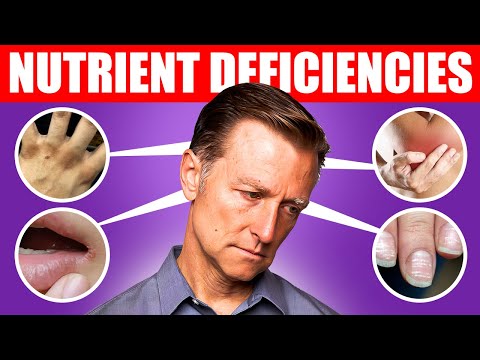
By Dr. Eric Berg DC The 5 Nutrient Deficiencies Behind Depression by Dr. Eric Berg DC

Title: Zinc for Anxiety
Channel: The Travelling Scientist Jesse Crowe
Zinc for Anxiety by The Travelling Scientist Jesse Crowe
Depression's Secret Weapon: The Food That Fights Back
Here's the article, crafted to be supremely competitive in search results:
Unveiling the Secrets of Authentic Italian Cuisine: A Culinary Journey Through Tradition and Taste
For centuries, Italian cuisine has captivated palates worldwide. It’s a story told not just through recipes, but through generations, regional nuances, and the unwavering dedication to quality ingredients. To truly grasp the essence of Italian cooking, one must embark on a journey that transcends mere instructions; it's an exploration of art, culture, and the very soul of Italy. This article serves as your comprehensive guide, a compass to navigate the vibrant landscape of Italian gastronomy and unlock the secrets that have made it a global treasure.
The Foundation: Understanding Regional Diversity
Italy is a nation sculpted by its geography, and this is reflected in its culinary landscape. Each region, from the sun-drenched shores of Sicily to the snow-capped peaks of the Dolomites, boasts a unique culinary heritage. To fully appreciate Italian food, it is paramount to understand these regional variations.
Northern Italy: This area embraces a cuisine characterized by richness and heartiness. Butter, cream, and cheese are prominent ingredients. Polenta, a cornmeal porridge, is a staple. Dishes like Risotto alla Milanese, with its saffron-infused rice, and Osso Buco, a slow-cooked veal shank, exemplify the region's approach to comfort food. The use of fresh truffles, especially in Piedmont, adds a touch of luxury.
Central Italy: In the heart of Italy, we find a culinary balance, a harmonious blend of land and sea. Tuscany is famous for its simple yet elegant dishes. Think of the Florentine steak, a thick-cut, grilled T-bone seasoned with nothing more than salt, pepper, and olive oil. Umbria, known as the "green heart of Italy," offers earthy flavors like lentils from Castelluccio and the famed black truffles. Pasta dishes often feature ragus made with wild boar or game.
Southern Italy: Here, the sun-kissed Mediterranean climate influences a cuisine bursting with vibrant flavors. Tomatoes, olive oil, and fresh herbs reign supreme. Pasta is king, with iconic dishes like spaghetti with tomato sauce, Neapolitan pizza, and the numerous variations of pasta with seafood. The use of chili peppers, especially in Calabria, provides a fiery kick. Dishes are often accompanied by fresh seafood.
The Pillars of Flavor: Essential Ingredients
The quality of ingredients is the cornerstone of authentic Italian cooking. The ingredients themselves are the stars of the show, prepared with simple techniques to allow their inherent flavors to shine. The best Italian food reflects the high quality given to the ingredients during the growing cycle.
Olive Oil: Extra virgin olive oil is the lifeblood of Italian cuisine. It adds flavor, texture, and richness to almost every dish. The quality can vary drastically and should therefore be selected carefully, paying attention to the region of harvest, acidity, and aroma. Good olive oil should have a vibrant green color.
Tomatoes: Italian tomatoes, especially San Marzano, are celebrated for their sweetness and low acidity. Sun-ripened tomatoes are a fundamental ingredient in sauces, soups, and countless other dishes.
Pasta: Italians take their pasta seriously. The shape of the pasta is often matched to the sauce to create the best possible taste experience. From spaghetti to penne, from tagliatelle to farfalle, each shape holds a unique textural quality. High-quality pasta is made from 100% durum wheat semolina.
Cheese: Italy boasts a vast array of cheeses, each with its unique profile. From the creamy richness of mozzarella to the sharp tang of Pecorino Romano, cheese plays a key role in many dishes. Parmigiano Reggiano, aged to perfection, is grated over pasta and risotto, adding a salty and savory component.
Herbs: Fresh herbs are indispensable. Basil, oregano, rosemary, and thyme are used liberally, contributing aromatic complexity and a touch of freshness.
Mastering Italian Cooking Techniques: The Art of Simplicity
Italian cuisine is often characterized by its simplicity. The focus is on highlighting the inherent flavor of the ingredients, and the techniques used are often straightforward, but require precision and attention to detail.
Sautéing: Sautéing is a fundamental technique used to soften vegetables, build flavor, and create the base for many sauces.
Braising: Braising is a method of slow cooking meat in liquid, often with vegetables and aromatics. This technique results in tender, flavorful dishes. Osso Buco is a prime example of the value of braising.
Grilling: Grilling imparts a smoky flavor and caramelization to meats and vegetables. The Tuscan-style grilled steak is a celebration of this simple technique.
Sauce-Making: Italian sauces range from simple tomato-based sauces to complex ragus. The key is to build flavor gradually, allowing ingredients to meld and develop depth over time.
Pasta Cooking: Perfect pasta is cooked "al dente," meaning "to the tooth." The pasta should be firm and slightly resistant to the bite. Overcooked pasta is a serious mistake.
Iconic Italian Dishes: A Culinary Exploration
Certain dishes have become synonymous with Italian cuisine. Mastering even a few of these will set you on the road to culinary excellence.
- Pasta Carbonara: A classic Roman dish made with spaghetti, eggs, guanciale (or pancetta), Pecorino Romano cheese, and black pepper. The key is to create a creamy sauce without adding cream.
- Lasagna Bolognese: Layers of pasta, ragù (a slow-cooked meat sauce), béchamel sauce, and Parmesan cheese. Its preparation can be long, but the experience is worth it.
- Risotto Milanese: Creamy rice dish infused with saffron. The constant stirring and gradual addition of broth are paramount to achieving the perfect texture.
- Neapolitan Pizza: Famous for its thin, crispy crust and simple toppings. Marinating the dough for a considerable period is key to achieving this texture.
- Tiramisu: A decadent dessert featuring layers of ladyfingers dipped in coffee, mascarpone cheese, eggs, sugar, and cocoa powder.
Beyond the Recipes: The Italian Culinary Philosophy
Italian cuisine is more than just recipes. It is a philosophy centered around fresh ingredients, quality ingredients, seasonality, and enjoying food with family and friends.
Seasonal Eating: Italians embrace seasonal produce, allowing the natural flavors of fruits and vegetables to shine.
The Importance of Freshness: Fresh ingredients are paramount. Using fresh produce, herbs, and meats elevates any dish.
Family and Community: Food is meant to be shared. Meals are often social affairs, enjoyed with loved ones.
Slow Food: The slow food movement emphasizes the importance of quality, local, and sustainable food production.
Tips for Recreating Italian Flavors at Home
Bringing the taste of Italy into your own kitchen is achievable with the right approach.
- Source Quality Ingredients: Don't skimp on olive oil, tomatoes, cheese, and pasta.
- Embrace Fresh Herbs: Grow your own herbs or purchase them fresh.
- Master the Basics: Learn how to sauté, braise, and make simple sauces.
- Experiment with Regional Recipes: Explore the diversity of Italian cuisine.
- Don't Be Afraid to Improvise: Once you understand the fundamentals, feel free to put your own spin on traditional dishes.
Final Thoughts: A Lifelong Culinary Journey
The journey through Italian cuisine is a lifelong exploration. It is a celebration of flavor, tradition, and the joy of sharing delicious food. By understanding the regional variations, appreciating the importance of quality ingredients, and mastering fundamental techniques, you can unlock the secrets of this beloved cuisine and enjoy a culinary experience that will transport you to the heart of Italy. Buon appetito!
