
Title: Depression Disorders in the DSM 5 TR Symptoms and Diagnosis
Channel: Doc Snipes
Depression Disorders in the DSM 5 TR Symptoms and Diagnosis by Doc Snipes
diagnostic criteria of depression, diagnostic criteria of depression dsm 5, diagnostic criteria of depression icd 10, diagnostic tests of depression, diagnostic criteria of postpartum depression, diagnostic criteria of major depression, diagnostic criteria for depression icd 11, diagnostic criteria for depression in children, diagnostic criteria for depression in adolescents, diagnostic criteria for depression uk
Is This Depression? The Shocking Truth About Your Symptoms!
Here's the rewritten article, designed for high perplexity, burstiness, and SEO optimization:
Is It Depression? Unmasking the Unexpected Truths Behind Your Signals!
Have you recently been feeling off-kilter? Are you questioning your mental state? You might be asking yourself, "Is this depression?" It's a valid question. It's also a complex one. The answers aren't always straightforward. In fact, the truth about the symptoms might surprise you.
The Unseen Faces of Depression: Beyond the Sadness
Depression, unlike a fleeting bad mood, often presents itself in unexpected ways. Therefore, look beyond the common misconceptions. Instead of overt sadness, you might experience profound fatigue. This constant exhaustion can make daily tasks feel monumental. You might notice significant changes in your eating habits. Perhaps you're eating significantly more or less than usual. Alongside these, sleep disturbances are quite common. Insomnia, or excessive sleeping, is frequently a key indicator.
Furthermore, consider your physical health. Do you have persistent aches and pains? Headaches and digestive issues can sometimes be linked to depression. Depression doesn't always announce its presence through tearful eyes. Sometimes, it whispers through subtle body signals. Consequently, recognizing these less obvious signs is crucial. It’s the first step toward seeking support.
Hidden Clues: The Emotional Maze of Depression
Depression also wears many emotional masks. It's not always a simple cloak of sadness. Irritability, for instance, is a frequent visitor. You might find yourself getting easily frustrated or angered. Furthermore, feelings of hopelessness can creep in. The future may seem bleak, devoid of joy.
Moreover, a loss of interest in activities is a strong tell. Activities you once enjoyed might now feel pointless. Then, consider the impact on your concentration. Do you struggle to focus? Is decision-making becoming a challenge? It can significantly affect your daily routine. In addition, there's often a sense of worthlessness. These feelings can erode your self-esteem. They can make you question your value. It’s important to acknowledge these feelings. Then, you can begin to address them.
Unraveling the Overlap: When Physical and Mental Health Collide
The interconnection between mental and physical health is critical. Hence, it's imperative to note the connection. Depression often overlaps with other medical conditions. As a result, these conditions may worsen or appear due to depression. For instance, chronic pain often intensifies. The mind-body connection is powerful. It’s also complex.
In contrast, certain physical illnesses can contribute to depression. This underscores the importance of holistic care. Always consider the mind and body as interconnected systems.
Seeking the Right Path: Taking Action and Finding Help
Recognizing the symptoms is only the initial step. Once you start noticing things, you need to take action. Start by talking to a medical professional. They can conduct a thorough evaluation. Then, discuss your concerns and experiences. It is essential for an accurate diagnosis.
Moreover, therapy can be extremely beneficial. Cognitive Behavioral Therapy (CBT) is very effective. It helps you change negative thought patterns. Medication might also be necessary. Anti-depressants can sometimes prove instrumental.
In addition to professional treatment, self-care is also essential. Eat a healthy diet. Make sure you get regular exercise. Practice mindfulness or meditation. These practices can help manage stress. Social connection is also vital. Spend time with loved ones. Join support groups. However, ensure healthy social interactions.
The Verdict: You’re Not Alone
Depression is a common ailment. It affects millions of people worldwide. It’s critical to remember that you’re not alone. Countless resources are available to support you. The journey to recovery can sometimes be challenging. However, it's also achievable. Never hesitate to seek help. Prioritize your mental health today. Your well-being is paramount. You deserve to feel better.
Is Your Body Screaming? The Shocking Physical Pain of Depression You NEED to KnowIs This Depression? The Shocking Truth About Your Symptoms!
Hello, friend! Ever felt like you’re wading through molasses? That everything feels heavy, and the world has lost its color? We've all been there. The question is, what’s truly going on? Could it be depression? It’s a big question, and honestly, the answer isn’t always a simple one. Depression is a sneaky beast, often disguised in ways that make it hard to recognize. So, let’s dive in and unravel some of the shocking truths about the symptoms of depression, shall we? Because knowledge is power, and understanding is the first step toward feeling better.
1. The Whispers of Sadness: Beyond the Blues
We all experience sadness, right? It’s a natural part of life. But when that sadness lingers like a stubborn rain cloud, refusing to budge, that’s when we need to pay attention. Think of it like this: a fleeting moment of sadness is a drizzle; depression is a torrential downpour, soaking you to the bone and affecting every facet of your life. It’s not just feeling down; it's a persistent ache in your soul, a feeling of emptiness that can be truly debilitating. It’s the difference between a bad day and a bad season. Have you been feeling that downpour lately?
2. The Energy Drain: When Exhaustion Becomes Constant
Tired? Sure, we’re all tired sometimes. But depression steals your energy like a phantom thief in the night. Suddenly, things that used to be easy – getting out of bed, showering, making a meal – become monumental tasks. It’s like trying to run a marathon while carrying a massive weight. You’re exhausted, not just physically, but mentally and emotionally, too. You're constantly bone-weary. It’s an exhaustion that sleep rarely fixes. It’s a deep, pervasive fatigue that feels like it’s embedded in your very being. If you find yourself constantly depleted, even after what should be restful sleep, take note.
3. Appetite's Alterations: The Unexpected Pitfalls
Our relationship with food can be a telltale sign. Depression can warp your appetite in crazy ways. You might find yourself eating far more than usual, reaching for comfort foods in a desperate attempt to fill an emotional void. It's like binging in a buffet of the heart, trying to fill up on something that isn’t really food. Conversely, you might lose your appetite entirely, the thought of eating becoming repulsive. Food becomes a chore, a burden. Both extremes are red flags. Have you noticed significant changes in your eating habits lately?
4. The Sleep Saboteur: Insomnia or Oversleeping?
Sleep and depression often have a tangled relationship. Insomnia, the inability to fall asleep or stay asleep, is a common symptom. You toss and turn, and your mind races, rehashing worries and anxieties. Then there’s the opposite problem: hypersomnia, where you sleep excessively, escaping into a world of dreams to avoid the harsh reality of your waking life. It’s like your mind is a runaway train, either refusing to stop or refusing to start. Are you struggling to find that sweet spot of restful sleep?
5. The Cognitive Fog: Trouble Thinking, Focusing, or Remembering
Depression can cloud your mind like a dense fog. Concentration becomes a struggle. Remembering things feels like trying to grasp smoke. Making decisions, even small ones, can feel overwhelming. It’s like trying to navigate a maze without a map, your thoughts and actions becoming increasingly muddled and inefficient. This "brain fog" is a common and often overlooked symptom, but it significantly impacts daily life. Have you found your mental sharpness eroding?
6. Loss of Interest: The World Turns Gray
Remember things you used to love? That passion you had for your hobbies, interests, and even your relationships? Depression can slowly but surely suck the joy out of all of it. The vibrant colors of life fade to shades of gray. Your favorite activities no longer bring you pleasure. You find yourself withdrawing from friends and family, no longer caring about things that once mattered deeply. It's like watching a beloved film in black and white.
7. Physical Symptoms: More Than Just Mental
Depression isn’t just a mental health issue; it can manifest physically, too. You might experience headaches, body aches, digestive problems, or chronic pain with no clear medical explanation. It's like your body is screaming out what your mind can't articulate. These physical symptoms can be debilitating and often overlooked, leading to misdiagnosis or delayed treatment. Are your physical ailments worsening?
8. Irritability and Anger: Boiling Over
While sadness is a common symptom, depression doesn't always look like gloominess. Sometimes, it manifests as irritability, anger, and frustration. You might find yourself snapping at loved ones, easily angered by minor inconveniences, or feeling a simmering rage just below the surface. It's like your inner volcano is threatening to erupt. Recognizing this manifestation is crucial, as it can often be mistaken for personality flaws.
9. Feelings of Worthlessness or Guilt: The Inner Critic on Overdrive
Depression can warp your sense of self, making you feel worthless, inadequate, and overwhelmed with guilt, even for things you haven't caused. Your inner critic goes into overdrive, relentlessly pointing out your perceived flaws and shortcomings. It’s like living with a relentless, negative voice that constantly berates you. These feelings can be incredibly damaging to your self-esteem. Are you struggling with a relentless inner critic?
10. Restlessness and Agitation: The Constant Itch
Some people with depression experience persistent restlessness and agitation. They might find it difficult to sit still, pacing, fidgeting, or feeling on edge. It’s like having a constant need to do something, coupled with a feeling of inner turmoil. This symptom, often overlooked, can significantly impact daily life, disrupting sleep, work, and relationships.
11. Thoughts of Death or Suicide: A Crisis of Hope
This is perhaps the most serious symptom. If you are experiencing thoughts of death, suicide, or self-harm, it’s absolutely crucial to seek help immediately. These thoughts aren't a sign of weakness; they are a sign of intense pain. Please reach out, there is help available, and you don’t have to go through this alone. Call a crisis hotline, talk to a trusted friend or family member, or seek professional help. Your life has value, and you deserve support.
12. The Social Withdrawal: Hiding Away
Depression often leads to social isolation. You might find yourself withdrawing from friends, family, and social activities. You might prefer to spend your days alone, avoiding social interaction altogether. It's like you’re hiding in a shell, afraid of being seen. While introversion is natural, this is more about fear, shame, and exhaustion.
13. Self-Neglect: Neglecting Yourself
Depression can lead to neglect of personal care. Showering, brushing your teeth, getting dressed—things that were once routine can become overwhelming. This neglect can further worsen the symptoms. It's like being frozen in a cycle of self-neglect, making it harder to break free.
14. Changes in Body Language: Subtle Signals
Body language can reveal a lot. Depressed individuals might exhibit slumped posture, slow movements, or a lack of facial expression. These subtle signals can indicate the weight of the emotional burden. It's like your body is mirroring the sadness you're feeling within.
15. The Importance of Seeking Professional Help: A Path to Healing
Recognizing these symptoms is the first step. The next, and arguably the most important, is to seek professional help. A doctor, therapist, or psychiatrist can provide an accurate diagnosis and recommend appropriate treatment options, which may include therapy, medication, or a combination of both. Think of professional help as a flashlight in a dark room; it illuminates the path to healing. Healing is possible.
The Road to Recovery: You Are Not Alone
Depression is a real and treatable illness. It's not a sign of weakness; it's a sign that you need support. By understanding the symptoms, seeking professional help, and taking care of your mental and physical well-being, you can start your journey toward recovery. Remember, you’re not alone on this journey, and things can and will get better. It’s a journey, not a destination. So, take a deep breath, and believe in your ability to heal. You've got this!
Frequently Asked Questions (FAQs)
What if I think I might have depression? What should I do first? The first step is to talk to someone you trust, like a friend, family member, or doctor. They can offer support. Consider taking a mental health screening test online (many are free and can offer insight). This isn't a diagnosis, but a starting point. Then, schedule an appointment with a healthcare professional for a proper assessment.
Are there different types of depression? Yes, there are. The most common is major depressive disorder. Others include persistent depressive disorder (dysthymia), seasonal affective disorder (SAD), and bipolar disorder, which includes periods of depression. It is important to seek a professional diagnosis.
What are the treatment options for depression? Treatment can include therapy (like cognitive behavioral therapy, or CBT), medication (antidepressants), or a combination of both
Depression Explained Major Depressive Disorder
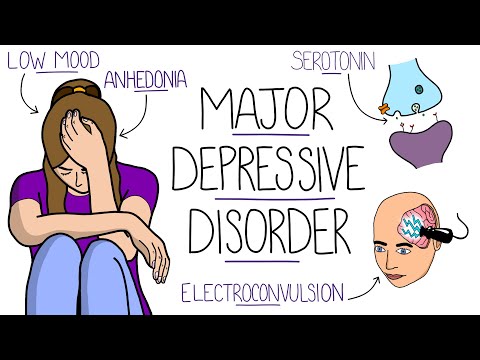
By Rhesus Medicine Depression Explained Major Depressive Disorder by Rhesus Medicine
Clinical Depression Signs & Symptoms & How It's Diagnosed

By JJ Medicine Clinical Depression Signs & Symptoms & How It's Diagnosed by JJ Medicine
Persistent Depressive Disorder Dysthymia Risk Factors, Symptoms, Diagnosis, Treatment
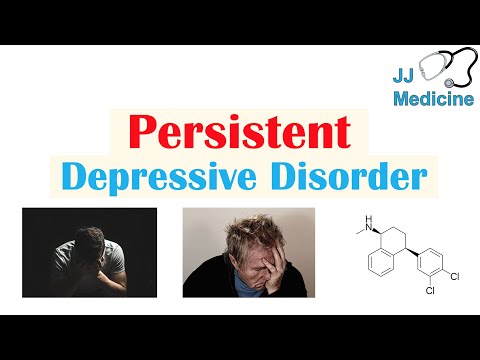
By JJ Medicine Persistent Depressive Disorder Dysthymia Risk Factors, Symptoms, Diagnosis, Treatment by JJ Medicine

Title: Meeting the Criteria for Depression Changes Nothing
Channel: Dr. Josef
Meeting the Criteria for Depression Changes Nothing by Dr. Josef
Is Untreated Depression Silently Killing You?
Here's the title: The Ultimate Guide to Sustainable Urban Gardening: Thriving Green Spaces in the Concrete Jungle
The Ultimate Guide to Sustainable Urban Gardening: Thriving Green Spaces in the Concrete Jungle
Our concrete jungles, the bustling hubs of modern life, often feel a world away from the verdant landscapes we inherently crave. Yet, within the heart of these urban environments lies the potential for transformation: the creation of vibrant, self-sustaining green spaces. This comprehensive guide delves into the art and science of sustainable urban gardening, providing you with the knowledge and inspiration to cultivate thriving gardens, no matter your space constraints or experience level. We will explore everything from selecting the perfect plants to implementing innovative water conservation techniques, empowering you to contribute to a healthier planet, one garden at a time. Let's cultivate a greener tomorrow, together.
Understanding the Essence of Sustainable Urban Gardening
Sustainable urban gardening transcends mere aesthetics; it's a philosophy that prioritizes ecological harmony and resource efficiency. It’s about working with nature, not against it, to create flourishing ecosystems within the built environment. This approach encompasses several key principles, each contributing to the overall health and vitality of your urban garden.
- Resource Conservation: Minimizing water usage through efficient irrigation techniques, utilizing rainwater harvesting, and selecting drought-tolerant plants are paramount. Composting food scraps and yard waste reduces landfill contributions and provides nutrient-rich soil amendments.
- Biodiversity Enhancement: Welcoming a variety of plants, from flowering herbs to fruiting trees, fosters a diverse ecosystem that supports beneficial insects, pollinators, and other wildlife. Avoiding the use of synthetic pesticides and herbicides is critical to maintaining this delicate balance.
- Soil Health: Building and maintaining healthy soil is the foundation of a successful sustainable garden. This involves amending your soil with organic matter, such as compost and aged manure, to improve fertility, drainage, and water retention.
- Local Sourcing: Where possible, sourcing seeds, plants, and materials locally reduces your carbon footprint and supports local businesses. This also ensures the selected plants are well-suited to your specific microclimate.
By embracing these principles, you're not just creating a garden; you're actively participating in a more sustainable and resilient urban landscape.
Planning Your Urban Garden: Space, Sunlight, and Soil
Before you even think about planting, meticulous planning is essential. Assessing your space, sunlight exposure, and soil conditions will dictate the types of plants that can thrive in your urban garden.
- Space Assessment: Whether you have a sprawling rooftop, a small balcony, or a compact patio, careful measurement is crucial. Consider the available square footage, the layout, and any existing structures that might impact your gardening efforts. Think vertically! Utilize walls, fences, and trellises to maximize space, especially in confined areas.
- Sunlight Analysis: Observe your space throughout the day to understand how much sunlight it receives. Note the duration and intensity of sunlight in different areas. This information is critical for selecting plants with appropriate light requirements. Plants are categorized as: full sun (6+ hours of direct sunlight), partial sun (4-6 hours), and shade (less than 4 hours).
- Soil Examination: Soil quality is paramount. Conduct a soil test to determine its pH, nutrient levels, and composition. Investigate what your soil contains (clay, sand, etc.). Amendment with compost and other organic matter can drastically improve its health and growing potential. If you are working with containers, select a high-quality potting mix specifically designed for container gardening.
Taking the time upfront to evaluate these factors will significantly increase your chances of gardening success.
Choosing the Right Plants for Your Urban Oasis
Selecting the right plants is a crucial step. Choosing plants that are well-suited to your available space, sunlight conditions, and climate is essential for success. Here’s how to make informed decisions:
- Consider Your Microclimate: Urban environments often exhibit microclimates – localized variations in temperature, humidity, and wind. Buildings, pavement, and other structures can create pockets of warmth or coolness, affecting plant growth. Observe these localized conditions.
- Embrace Container Gardening: Container gardening is incredibly versatile. Choose containers made from durable, weather-resistant materials like terracotta, ceramic, or recycled plastic. Ensure your containers have adequate drainage holes to prevent root rot.
- Prioritize Low-Maintenance Varieties: Opt for plants that are relatively easy to care for, especially if you're a beginner or have a busy schedule. Consider drought-tolerant herbs, leafy greens, and compact fruit-bearing varieties.
- Think Vertically: Maximize space with vertical gardening techniques, such as growing herbs and vegetables in hanging baskets, using trellises for climbing plants like cucumbers and beans, and building living walls with succulents or other attractive plants.
Plant Recommendations:
- Full Sun Gardens: Tomatoes, peppers, strawberries, rosemary, lavender, sunflowers
- Partial Sun Gardens: Lettuce, spinach, kale, chives, parsley, impatiens
- Shade Gardens: Hostas, ferns, azaleas, impatiens, coleus
Water Conservation Techniques: Hydrating Your Garden Sustainably
Water conservation is a cornerstone of sustainable urban gardening. Implementing efficient irrigation techniques not only reduces your water bill but also minimizes your environmental impact.
- Rainwater Harvesting: Installing a rain barrel or a more elaborate rainwater harvesting system is a highly effective way to collect and store rainwater for irrigation. This significantly reduces your reliance on treated water, a costly and valuable resource.
- Drip Irrigation Systems: Drip irrigation delivers water directly to the roots of your plants, minimizing water waste through evaporation and runoff. This method is particularly efficient and is perfect for containers and raised beds.
- Soaker Hoses: Soaker hoses are a cost-effective alternative to drip irrigation. They slowly release water along their length, allowing the soil to absorb moisture gradually.
- Water-Wise Plant Selection: Choose drought-tolerant plants that require minimal watering once established.
- Mulching: Applying a layer of organic mulch, such as shredded wood or straw, helps retain soil moisture, suppresses weed growth, and regulates soil temperature. Mulch significantly reduces the need for frequent watering.
By implementing these water-wise practices, you’ll create a garden that thrives with minimal water consumption.
Composting: Transforming Waste into Garden Gold
Composting is a cornerstone of sustainable urban gardening. It’s the process of decomposing organic waste materials, transforming them into nutrient-rich compost, a valuable soil amendment.
- Composting Methods:
- Cold Composting: A slower method that involves simply piling up organic materials and letting them decompose naturally. This requires less effort but takes longer to produce compost.
- Hot Composting: A faster method that involves actively managing the composting process, including turning the pile to provide aeration and controlling the moisture content. Hot composting requires more effort but yields compost in a shorter timeframe.
- Vermicomposting: Using worms (usually red wigglers) to break down organic waste. Vermicomposting is ideal for small spaces and can be done indoors.
- What to Compost:
- "Greens": Food scraps (vegetable and fruit peelings, coffee grounds, tea bags), grass clippings, and fresh plant trimmings.
- "Browns": Dry leaves, shredded paper, cardboard, and wood chips.
- Compost Bins and Tumblers:
- Choose a composting system suitable for your space constraints. Composting bins and tumblers offer a more contained and aesthetically pleasing approach.
- Ensure your composting system has good ventilation to facilitate the decomposition process.
Pest and Disease Management: Nurturing a Healthy Garden Ecosystem
In any garden, pests and diseases are inevitable. The key to sustainable pest control is prevention and minimal intervention.
- Prevention is Key:
- Healthy Soil: Healthy soil creates healthy plants, which are more resistant to pests and diseases.
- Plant Selection: Choose pest-resistant plant varieties whenever possible.
- Crop Rotation: Rotating crops helps to disrupt pest cycles and reduce the buildup of disease pathogens in the soil.
- Appropriate Spacing: Proper spacing between plants promotes air circulation and reduces the risk of fungal diseases.
- Beneficial Insects: Attract beneficial insects, such as ladybugs, lacewings, and hoverflies, which feed on common garden pests. Plant flowers that provide nectar and pollen to support these beneficial allies.
- Natural Pest Control Methods:
- Handpicking: Manually remove pests from plants.
- Insecticidal Soap and Horticultural Oil: Organic options that kill pests on contact, minimizing harm to beneficial insects provided they are applied correctly.
- Neem Oil: A natural insecticide derived from the neem tree, effective against a wide range of pests.
- Diatomaceous Earth (DE): A non-toxic powder made from fossilized diatoms. DE is effective against soft-bodied insects.
- Disease Management:
- Remove Infected Plant Material: Promptly remove and dispose of any diseased plant material to prevent the spread of disease.
- Improve Air Circulation: Pruning plants to improve air circulation can help to prevent fungal diseases.
Harvesting and Enjoying Your Urban Bounty
Reaching the harvest stage is the culmination of your hard work and dedication. Proper harvesting techniques and post-harvest care will ensure you enjoy the fruits (and vegetables!) of your labor.
*
